
How Modern Technology Has Improved Dental Fillings
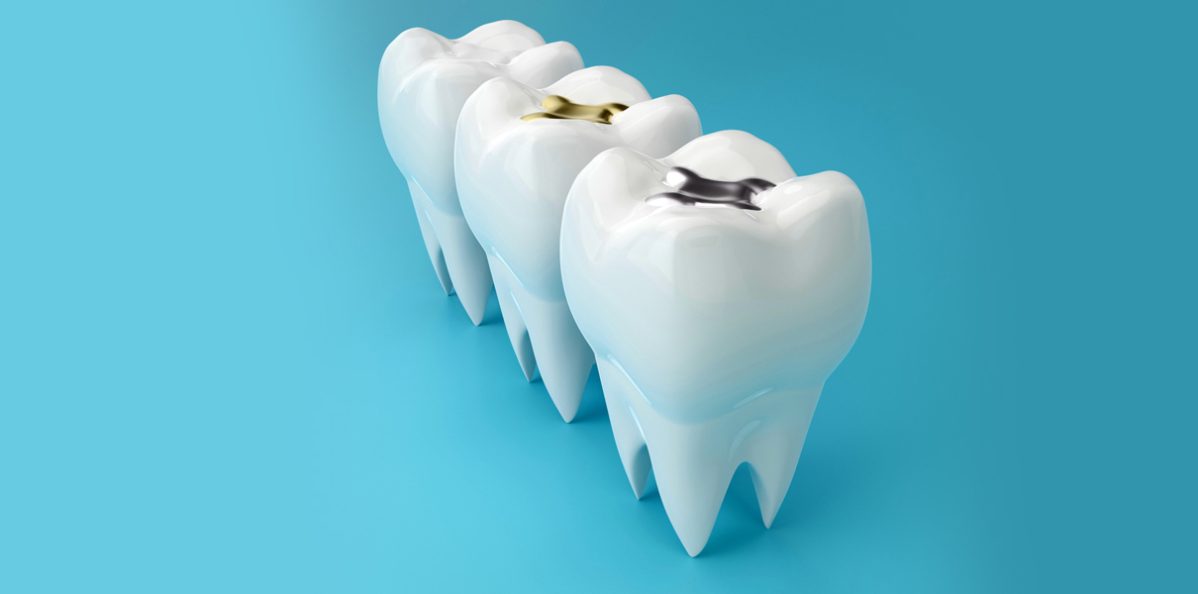
Dental fillings have advanced far beyond the old silver-colored options. Today’s restorations are designed to blend in, protect more of your natural tooth, and last longer with less chair time. If you’re exploring dental fillings in Rocklin, you’ll find that modern materials, imaging, and techniques work together to make treatment more precise and comfortable from start to finish.
Advancements in Filling Materials
The biggest shift is in what goes into your tooth. Amalgam is still useful for some cases, but most patients prefer tooth-colored composites for their strength and appearance.
- Nano-hybrid composites include ultra-fine particles that polish beautifully and resist wear, helping the filling keep its shine and shape over time.
- Bulk-fill composites let dentists place thicker layers safely, reducing appointment time without sacrificing quality.
- Resin-modified glass ionomers (RMGIs) and other bioactive materials can release fluoride and bond well to dentin, making them a smart choice for non-load-bearing spots or areas with a higher risk of decay.
- Inlays and onlays, when indicated, can be milled from ceramic for an excellent fit and strength, especially for larger cavities where a traditional filling may fall short.
The result is a restoration that’s conservative, durable, and easy on the eyes.
Digital Imaging and Precise Cavity Detection
Finding decay early and mapping it accurately is half the battle. Dentists now combine several tools to pinpoint issues while limiting radiation and guesswork.
- Digital radiography produces crisp images with significantly less radiation than traditional film.
- Transillumination (including near-infrared/LED systems) shines light through enamel to reveal cracks and enamel breakdown between teeth that X-rays can miss.
- Laser fluorescence devices measure how light interacts with tooth structure to help identify early decay in pits and grooves.
- Intraoral scanners create a 3D model of your teeth, improving visualization and the fit of any indirect restorations.
These technologies help your dentist remove only what’s necessary and preserve healthier teeth.
Improved Bonding Techniques for Durability
How well a filling lasts depends heavily on how it bonds to your tooth. Today’s universal adhesives simplify steps and improve reliability across different techniques (self-etch or total-etch), reducing sensitivity and strengthening the seal. Modern matrix systems and sectional rings also create tighter contacts between teeth, so floss glides smoothly and food traps are less likely. A dentist in Rocklin, CA, may also use rubber dam isolation or advanced suction/isolation systems to keep the area dry, which is crucial for a long-lasting bond.
Aesthetic Benefits of Tooth-Colored Fillings
Composite technology has opened a world of shade and translucency options. Your dentist can:
- Shade-match the filling to your enamel so it blends in seamlessly.
- Use layering techniques to mimic natural variations seen in real teeth.
- Polish the final surface to resist staining and plaque buildup.
Tooth-colored materials are shade-matched and polished to blend with your enamel, creating a natural look in everyday light. For front teeth and visible areas, this cosmetic advantage is a game-changer. If you’ve been searching for a dentist near you who values natural-looking results, these advances make a noticeable difference in everyday smiles.
Faster, More Comfortable Procedures
Efficiency matters when you’re in the chair. Several upgrades streamline the experience:
- Electric handpieces are smoother and quieter than traditional air-driven drills, which many patients find more comfortable.
- High-intensity LED curing lights harden the composite faster and more thoroughly, shortening each step.
- Bulk-fill materials reduce the number of layers needed in deeper cavities.
- Topical and buffered anesthetics, plus careful technique, improve numbness and reduce post-visit tenderness.
Many patients are surprised by how quickly a modern filling appointment can be completed, often during a lunch break.
Longevity and Better Oral Health Outcomes
Technology supports both longevity and day-to-day oral health:
- Stronger seals: Advanced adhesives and isolation keep bacteria out, reducing the chance of recurrent decay at the edges of fillings.
- Better fit and contour: Modern matrices, finishing strips, and polishing systems create smooth margins that are easier to clean.
- Crack and wear management: Early detection tools find small cracks before they become large fractures. When needed, ceramic inlays/onlays distribute chewing forces better than large, traditional fillings.
- Maintenance matters: Good brushing with a fluoride toothpaste, daily flossing, and regular checkups allow your dentist to monitor restorations and catch issues early. Many patients benefit from fluoride varnish or prescription-strength toothpaste when the risk is higher.
What to expect for lifespan? Composite fillings often last many years with proper care, and location, size, and bite forces all play a role. Your dentist will recommend the material that fits your specific tooth and habits.
Final Thoughts: Technology Creating Stronger, More Natural Smiles
From high-definition imaging to advanced bonding and lifelike composites, modern dentistry makes fillings more precise, comfortable, and attractive than ever. If it’s been a while since your last visit, you may be pleasantly surprised by how streamlined and gentle today’s process can be. For patients in our community, the team at Smile Quest – Rocklin is committed to using proven technologies and conservative techniques that support long-term oral health and confident, natural-looking smiles.